Saving money is one of the most important financial habits anyone can develop. Regardless of your income level, profession, or financial goals, the ability to save money effectively can provide financial security, reduce stress, and create opportunities for future growth. Yet, despite understanding the importance of saving, many people struggle to build and maintain consistent savings habits.
In today’s world of rising living costs, easy access to credit, and endless spending opportunities, saving money requires more than simply setting aside whatever remains at the end of the month. Effective saving involves planning, discipline, financial awareness, and adopting habits that support long-term financial well-being.
Whether your goal is to build an emergency fund, purchase a home, pay for education, travel, start a business, or prepare for retirement, developing a strategic approach to saving money can help you achieve financial stability and independence. This guide explores practical and effective methods for saving money, common challenges people face, and strategies for building sustainable financial habits.
Why Saving Money Is Important
Saving money serves as the foundation of financial security. It provides a safety net during emergencies, allows individuals to pursue opportunities, and reduces dependence on debt.
Unexpected events can occur at any time. Medical expenses, job loss, home repairs, vehicle maintenance, or family emergencies can create significant financial stress. Having savings available helps individuals manage these situations without resorting to high-interest loans or credit cards.
Savings also provide flexibility and freedom. Individuals with financial reserves often have greater freedom to change careers, pursue education, start businesses, or take advantage of investment opportunities.
In addition, saving money contributes to long-term wealth creation. Consistent saving habits, combined with investment growth and compound interest, can significantly improve financial outcomes over time.
Perhaps most importantly, saving money can provide peace of mind. Financial security reduces anxiety and allows individuals to focus on personal and professional goals with greater confidence.
Understanding Your Financial Situation
Effective saving begins with understanding your current financial position. Before developing a savings plan, it is essential to know how much money you earn, spend, owe, and save.
Many people underestimate their expenses because they do not track their spending habits closely. Reviewing bank statements, credit card transactions, and monthly bills can reveal spending patterns that might otherwise go unnoticed.
Creating a detailed picture of income and expenses helps identify areas where spending can be reduced. It also allows individuals to establish realistic savings goals based on their financial circumstances.
Understanding your financial situation is not about restricting yourself unnecessarily. Rather, it provides the information needed to make informed decisions and prioritize financial goals effectively.
Set Clear Savings Goals
One of the most effective ways to save money is to establish specific and meaningful goals. Without a clear purpose, maintaining motivation to save can become difficult.
Savings goals may include building an emergency fund, purchasing a home, paying for higher education, funding a vacation, starting a business, or preparing for retirement.
Clearly defined goals provide direction and make progress easier to measure. Instead of simply deciding to save more money, individuals can establish targets such as saving a certain amount within a specific timeframe.
Short-term goals often provide immediate motivation, while long-term goals help maintain financial discipline over many years.
When goals are specific, realistic, and personally meaningful, individuals are more likely to maintain consistent saving habits.
Create a Realistic Budget
A budget is one of the most powerful tools for effective money management. Contrary to popular belief, budgeting does not necessarily mean restricting spending or eliminating enjoyment. Instead, it involves making intentional decisions about how money is allocated.
A budget helps ensure that expenses do not exceed income and that savings remain a priority. By categorizing spending and monitoring financial activity, individuals gain greater control over their finances.
Effective budgets typically include essential expenses such as housing, food, transportation, healthcare, utilities, and debt payments, while also allocating funds for savings and discretionary spending.
The key to successful budgeting is realism. Overly restrictive budgets often fail because they are difficult to maintain. Sustainable budgets allow for flexibility while still supporting long-term financial goals.
Regularly reviewing and adjusting a budget helps accommodate changes in income, expenses, and financial priorities.
Pay Yourself First
One of the most effective savings strategies is the principle of paying yourself first. This approach involves treating savings as a mandatory expense rather than saving whatever remains after spending.
When individuals receive income, a predetermined portion is immediately transferred into savings before other expenses are paid. This method prioritizes financial security and reduces the temptation to spend money intended for savings.
Automatic transfers can make this process even easier. Many banks and financial institutions allow customers to schedule recurring transfers to savings accounts.
By automating savings, individuals remove the need for constant decision-making and establish consistent financial habits.
Even small amounts saved regularly can accumulate significantly over time due to the power of compound growth.
Build an Emergency Fund
An emergency fund is one of the most important components of financial stability. It provides a financial cushion during unexpected events and reduces reliance on debt.
Financial experts often recommend maintaining emergency savings sufficient to cover several months of living expenses. However, the exact amount depends on factors such as income stability, family responsibilities, and personal circumstances.
Building an emergency fund should often be the first savings priority. Starting with smaller milestones can make the process feel more achievable.
Emergency savings should remain easily accessible but separate from everyday spending accounts to reduce the temptation to use them for non-essential purchases.
Having an emergency fund provides both financial protection and psychological comfort during uncertain times.
Reduce Unnecessary Expenses
Saving money often involves identifying and reducing unnecessary spending. This does not require eliminating all enjoyable activities but rather making intentional spending choices.
Many individuals discover that small, recurring expenses significantly impact their finances over time. Subscription services, impulse purchases, dining out frequently, and unused memberships can gradually consume substantial amounts of money.
Reviewing expenses regularly helps identify areas where adjustments can be made without significantly affecting quality of life.
Practicing mindful spending encourages individuals to consider whether purchases align with their financial goals and personal values.
Reducing unnecessary expenses creates opportunities to redirect money toward savings and investments.
Avoid Lifestyle Inflation
Lifestyle inflation occurs when spending increases as income rises. While earning more money can improve quality of life, increasing expenses too quickly may prevent individuals from building wealth.
Many people find that despite earning higher salaries, they struggle to save because their spending grows alongside their income.
Avoiding lifestyle inflation involves maintaining reasonable spending habits even as income increases. Rather than spending every additional dollar earned, individuals can allocate a portion of income increases toward savings and investments.
This approach allows financial progress to accelerate over time while still permitting gradual lifestyle improvements.
Maintaining modest spending habits can significantly enhance long-term financial outcomes.
Eliminate High-Interest Debt
High-interest debt can create substantial obstacles to effective saving. Credit card balances, personal loans, and other forms of expensive debt often consume income that could otherwise be directed toward savings.
Reducing or eliminating high-interest debt can improve cash flow and increase financial flexibility. Making consistent debt payments and avoiding additional borrowing helps strengthen financial stability.
Once debt obligations decrease, individuals can redirect those payments toward savings goals.
Managing debt responsibly is an important part of any comprehensive savings strategy.
Use Technology to Support Saving
Technology has made saving money easier and more accessible than ever before. Banking applications, budgeting software, financial tracking tools, and automated savings platforms can help individuals monitor progress and maintain discipline.
Many financial applications categorize spending, provide budgeting insights, and automate savings transfers. Some platforms even round up purchases and transfer the difference into savings accounts.
Technology can increase awareness of spending habits and simplify financial management.
However, while technology provides useful tools, successful saving ultimately depends on consistent behavior and financial discipline.
Save Windfalls and Extra Income
Unexpected income provides valuable opportunities to increase savings. Tax refunds, bonuses, gifts, commissions, freelance income, and other financial windfalls can significantly accelerate savings progress.
Rather than immediately spending unexpected income, allocating a substantial portion toward savings can strengthen financial security and help achieve long-term goals more quickly.
This strategy allows individuals to increase savings without affecting their regular monthly budgets.
Using additional income strategically can create lasting financial benefits.
The Power of Compound Growth
One of the greatest advantages of saving money consistently is the power of compound growth. Compounding occurs when earnings generate additional earnings over time.
For example, money saved and invested can earn returns, and those returns can then generate further returns. Over long periods, this process can lead to substantial wealth accumulation.
The earlier individuals begin saving, the more time they have to benefit from compounding. Even relatively small contributions can grow significantly when given sufficient time.
Understanding compound growth reinforces the importance of starting early and maintaining consistency.
Develop Long-Term Financial Habits
Saving money effectively is not about making temporary sacrifices. It involves developing sustainable financial habits that support long-term goals.
Successful savers often practice delayed gratification, maintain financial discipline, review their progress regularly, and adapt their strategies as circumstances change.
Financial habits improve through repetition and consistency. Small actions performed regularly often produce better results than occasional large efforts.
Building strong financial habits requires patience and commitment, but the long-term rewards can be substantial.
Common Mistakes to Avoid
Several common mistakes can interfere with effective saving.
Waiting until income increases before starting to save can delay financial progress unnecessarily. Many people discover that saving habits are more important than income level.
Failing to establish clear goals can reduce motivation and make saving feel less meaningful.
Ignoring budgets and spending patterns often leads to financial inefficiency.
Relying excessively on credit can prevent savings from growing and increase financial stress.
Attempting to save unrealistically large amounts may also lead to frustration and abandonment of savings plans.
Avoiding these mistakes can improve the likelihood of long-term financial success.
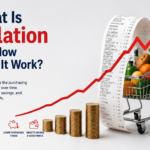
Saving Money During Inflation
Periods of inflation can make saving more challenging because the cost of goods and services increases over time.
During inflationary periods, reviewing budgets, reducing discretionary spending, and prioritizing essential financial goals become particularly important.
Increasing income through career advancement, skill development, or additional work opportunities may also help offset rising expenses.
Although inflation creates challenges, maintaining consistent saving habits remains essential for preserving financial security.
Long-term financial planning can help individuals navigate changing economic conditions more effectively.
Conclusion
Saving money effectively is one of the most valuable financial skills anyone can develop. It provides security, flexibility, opportunity, and peace of mind while creating a foundation for long-term financial success.
Effective saving requires understanding your financial situation, setting clear goals, creating realistic budgets, controlling expenses, avoiding unnecessary debt, and maintaining consistent habits over time.
The journey toward financial security does not depend solely on earning more money. It depends largely on making intentional decisions, developing disciplined habits, and remaining committed to long-term goals.
No matter your current financial situation, starting today and saving consistently can create meaningful improvements in your financial future.
Frequently Asked Questions
Why is saving money important?
Saving money provides financial security, helps manage emergencies, supports long-term goals, reduces financial stress, and creates opportunities for future growth.
How much money should I save each month?
The amount varies depending on income, expenses, and financial goals. Many experts suggest saving a percentage of income consistently, even if the amount is relatively small.
What is the best way to start saving money?
Begin by tracking expenses, creating a budget, setting clear savings goals, and automating regular transfers into a savings account.
How much should I keep in an emergency fund?
Many financial professionals recommend maintaining emergency savings sufficient to cover several months of living expenses, although individual circumstances vary.
Can I save money if I have a low income?
Yes. Even small, consistent savings can accumulate over time. Developing good financial habits is often more important than the amount initially saved.
What is lifestyle inflation?
Lifestyle inflation occurs when spending increases as income rises, preventing individuals from building savings and wealth effectively.
Should I pay off debt or save money first?
Both goals are important. Building a small emergency fund while paying down high-interest debt is often considered a balanced approach.
How does compound growth help savings?
Compound growth allows earnings to generate additional earnings over time, significantly increasing the value of savings and investments over long periods.